How to
Identify
Your Skin
Type at
Home

Understanding your skin type is the first step to choose the right skincare routine and products. The good news? You don’t need a dermatologist or expensive tools – you can identify your skin type easily at home with a few simple checks. Here’s a beginner-friendly guide to help you figure out whether your skin is oily, dry, combination, normal, or sensitive.
Why Knowing Your Skin Type Matters
Every skin type needs different care.
For Example:
- Oily skin needs lightweight, oil-control products.
- Dry skin needs deep hydration
- Sensitive skin needs gentle, fragrance-free formulas
When you know your skin type, your skincare routine becomes more effective.
Method 1: The “Bare-Face Test”
This is the easiest way to check your skin type.
Step-by-Step:
- Wash your skin with a gentle cleanser
- Do NOT apply any products – no toner, no moisturizer.
- Wait for 1 hour.
- Check how your skin feels and looks.
What it Means:
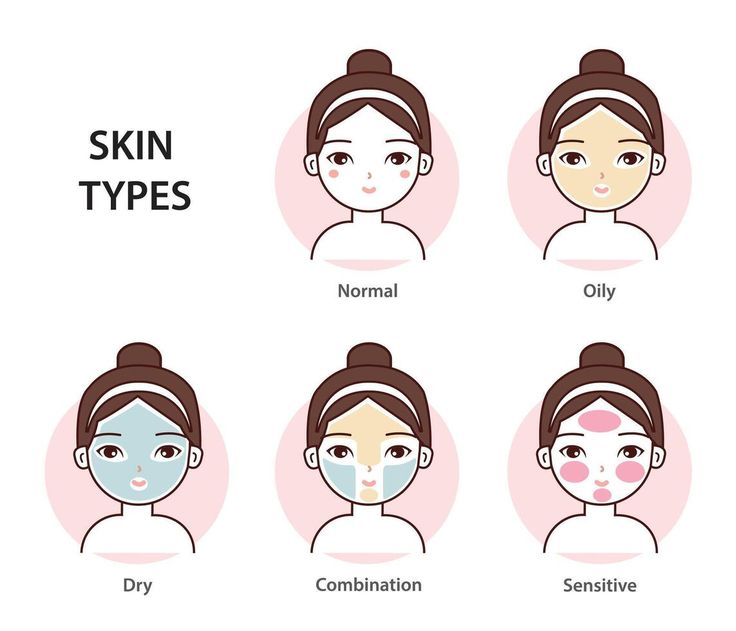
- Oily Skin: Visible shine on nose, forehead, cheeks; skin feels greasy
- Dry Skin: Feels tight, rough, or flaky
- Combination Skin: Oily on T-zone ( forehead, nose, chin) but dry on cheeks
- Normal skin : Feels balanced, smooth; not too oily or dry
- Sensitive Skin : Redness, irritation, itching, or quick reactions even without products.
Method 2: The ” Blotting Paper Test”
This test helps confirm if you’re oily, dry, or combination.
How to do it :
- Take blotting paper (tissue also works)
- Gently press on your forehead, nose, cheeks, chin.
- Check how much oil appears.
Results:
- A lot of oil everywhere :Oily skin
- Little to no oil : Dry skin
- Oily only on T-zone: Combination skin
- Minimal oil, even absorption : Normal skin
Skin Type Breakdown (Easy to Understand)
Oily Skin
Signs:
- Shinny look, especially midday
- Visible pores
- Prone to acne and blackheads
Needs: Gel-based products, oil-free moisturizer, clay masks.
Dry Skin
Signs:
- Feels tight
- Flaky or rough patches
- Looks dull
Needs: Creamy cleanser, hydrating moisturizer, hyaluronic acid.
Combination skin
Signs:
- Oily forehead, nose, chin
- Dry or normal cheeks
Needs: Balanced routine – lightweight products on T-zone, hydrating cream on cheeks.
Normal Skin
Signs:
- Soft, smooth, even texture
- No extreme oiliness or dryness
Needs: Basic skincare routine to maintain balance.
Sensitive Skin
Signs:
- Redness
- Burning, itching, Quick reaction to products
Final Tips to Identify Your Skin Type Correctly
- Test in natural daylight
- Observe your skin at different times of the day
- Check how your skin reacts after washing
- If unsure, repeat the test for 2-3 days