Best Ingredients for Clean Skin (What to Use and What to Avoid)
When it comes to achieving clear and glowing skin, the right ingredients for clean skin matter more than the price of the product. Whether you’re a beginner or someone who already follows a skincare routine, understanding what ingredients to use and what to avoid can completely transform your skin health. This guide breaks down the most effective skincare ingredients, how they work, and which ones may do more harm than good.
1. Vitamin C — The Glow Ingredient
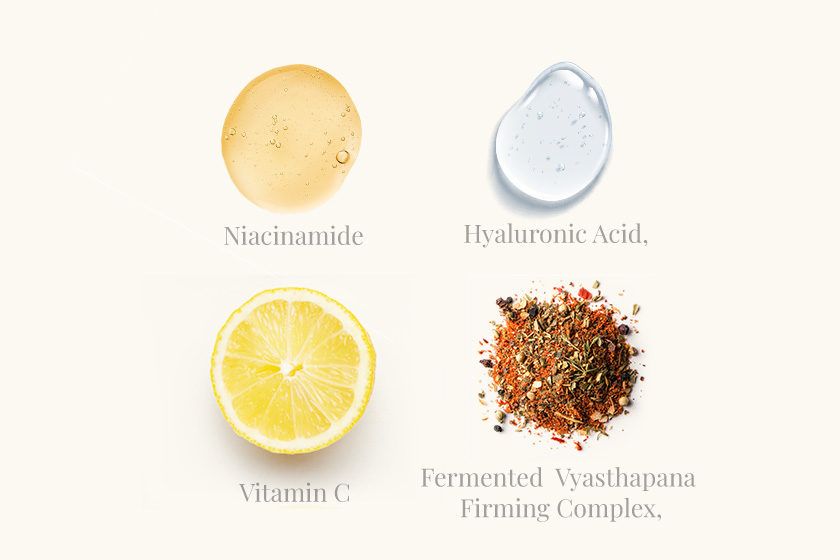
Vitamin C is one of the most trusted ingredients for clean skin. It doesn’t just give a glow — it also fades dark spots and protects your skin from daily pollution and sun damage.
Why it works:
-
Brightens dull skin
-
Lightens pigmentation
-
Boosts collagen
-
Evens out skin tone
How to use:
Use in the morning before sunscreen. If you’re a beginner, start with 5–10% Vitamin C.
2. Niacinamide — The Pore and Oil-Control Hero
Niacinamide is gentle, beginner-friendly, and incredibly effective. It helps maintain a healthy skin barrier and reduces excess oil production.
Key benefits:
Minimizes large pores
Reduces redness
Controls acne-causing oil
Strengthens the skin’s protective barrier
Best part:
It suits almost every skin type, even sensitive skin.
3. Hyaluronic Acid — The Ultimate Hydrator
Everyone wants plump, soft, and hydrated skin — hyaluronic acid is perfect for that. It pulls moisture into your skin and keeps it there.
What it does:
Deep hydration
Smooths rough texture
Makes skin look plump and dewy
Prevents dryness and fine lines
Tip:
Use it on slightly damp skin for best results.
4. Salicylic Acid — The Acne Cleanser
If you struggle with breakouts, blackheads, or whiteheads, salicylic acid is your best friend. It cleans deep inside the pores, removing excess oil and dirt.
Benefits:
Unclogs pores
Prevents acne
Reduces oiliness
Works great for textured skin
Start using it 2–3 times a week, especially if you’re new to chemical exfoliation.
5. Retinol — Clearer Skin & Anti-Aging
Retinol speeds up skin renewal and helps fade acne marks, fine lines, and uneven texture. It’s powerful, so beginners should start slow.
Why it’s effective:
Boosts collagen
Clears acne
Improves skin texture
Reduces pigmentation
Important:
Use only at night and always wear sunscreen the next day.
❌ Ingredients You Should Avoid for Healthy Skin
Not every ingredient is good for your skin. Some can cause irritation, dryness, or even long-term damage.
1. Alcohol
High alcohol content dries out your skin and damages the barrier over time. Many toners and gels include it, so always check the label.
2. Added Fragrance
Fragrance may smell nice but often irritates the skin — especially sensitive or acne-prone skin.
Possible reactions:
Redness
Itchiness
Rashes
Breakouts
Fragrance-free products are always safer.
3. Harsh Scrubs (Like Walnut Scrubs)
These physical scrubs can create micro-tears in your skin. Even though they feel “clean,” they damage the skin barrier and increase sensitivity.
Better alternative:
A gentle AHA/BHA exfoliant.
4. Parabens
Parabens are preservatives that help products last longer. But many people prefer avoiding them because of potential hormone-disrupting effects.
Choose paraben-free options when possible.
5. Essential Oils on the Face
Essential oils may smell good, but most of them are too strong for facial skin.
Avoid:
Lemon oil
Peppermint oil
Undiluted tea tree oil
They can cause burning, irritation, and sensitivity.
🌿 How to Pick the Right Ingredients for Your Skin Type
✔ Oily Skin:
Salicylic Acid, Niacinamide, Clay, Gel moisturizers
✔ Dry Skin:
Hyaluronic Acid, Ceramides, Squalane, Shea Butter
✔ Combination Skin:
Vitamin C, Niacinamide, Lightweight hydrators
✔ Acne-Prone Skin:
Salicylic Acid, Retinol, Niacinamide
Tip: Start with one active ingredient at a time so your skin can adjust.

.
Final Thoughts
Great skin doesn’t require a complicated routine. It simply requires the right ingredients for clean skin. If you choose products based on your skin type and avoid harmful ingredients, you’ll notice a huge difference in your skin’s clarity and glow.
Understanding your skincare ingredients is the first step toward building a routine that actually works — not just looks good on the shelf.
Leave a Reply